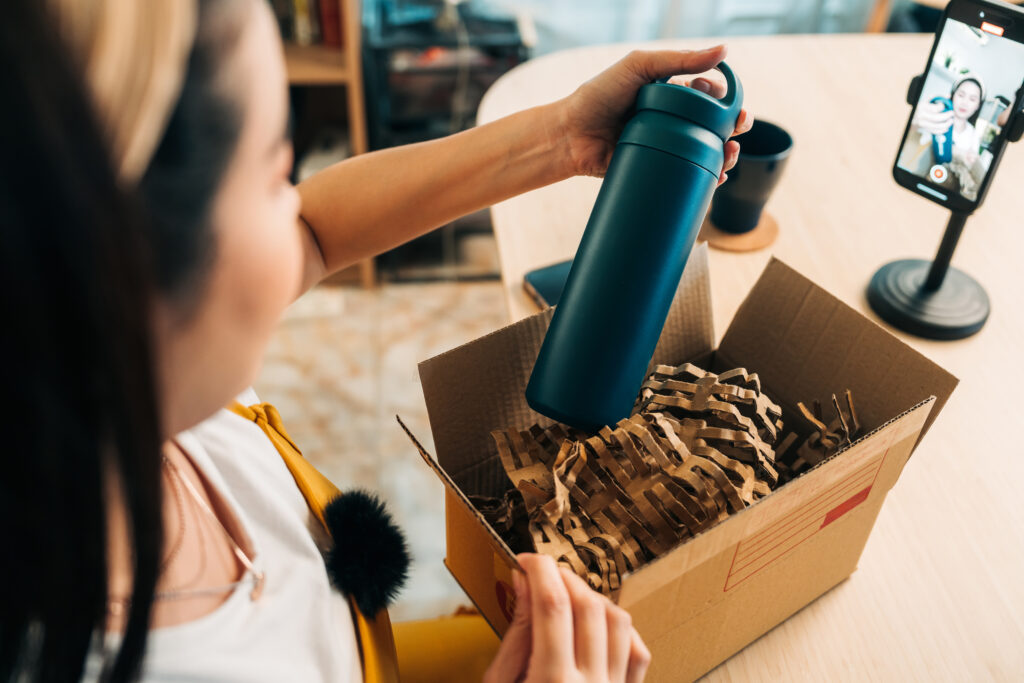
Your Instagram feed is basically a shopping channel disguised as friendship. That influencer in the perfect kitchen with the $400 blender? She’s being paid to make you want it. The lifestyle blogger with the designer bag collection? Sponsored. The “wellness guru” pushing $89 supplements? Affiliate links everywhere.
And you’re sitting there thinking “I need all of this to be happy” while your bank account slowly dies.
Welcome to deinfluencing—the radical act of unfollowing accounts that make you spend money. It’s Marie Kondo for your social media, except instead of asking “does this spark joy?” you ask “does this make me feel poor and like I need to buy things?”
How influencers are engineered to make you spend
This isn’t conspiracy theory stuff—influencer marketing is a multi-billion dollar industry specifically designed to make you buy things without feeling like you’re being sold to.
The psychology:
- They’re “just like you” (except they’re getting paid)
- They show you their “real life” (that’s actually a carefully curated advertisement)
- They use affiliate links (they get a cut of everything you buy)
- They create FOMO (if you don’t have this product, you’re missing out)
- They normalize expensive things (when everyone on your feed has it, it seems necessary)
The result: You see something 47 times across different accounts, your brain registers it as “everyone has this,” and suddenly you’re convinced you need a $78 water bottle that tracks your hydration.
The real cost of following influencers
Let’s do some math on what your Instagram habit is actually costing you.
Conservative estimate:
- You follow 30 lifestyle/shopping influencers
- Each one makes you want to buy 2 things per month
- You actually buy 10% of those things (because you have some self-control)
- Average purchase: $45
- Monthly cost: $270
- Annual cost: $3,240
That’s $3,240 spent on things you didn’t know existed until an influencer told you that you needed them. That’s a solid emergency fund. That’s a vacation. That’s literally anything better than Amazon packages you regret opening.
What to unfollow immediately
Not all accounts are equally dangerous to your budget. Here’s what needs to go.
Fashion/beauty influencers who post daily “finds”: Every post is a new thing to buy. It’s designed to keep you consuming. Unfollow.
“Amazon storefront” accounts: Their entire business model is getting you to click affiliate links. They’re not your friend—they’re a salesperson.
Lifestyle influencers who romanticize expensive living: The “aesthetic life” accounts that make $8 lattes and $200 candles seem necessary for happiness.
Haul accounts: “Look at all this stuff I bought!” content is literally just shopping porn. It triggers your own desire to shop.
“Luxury on a budget” accounts: These make expensive things seem attainable when they’re actually still out of reach. It’s just fancy shopping encouragement.
Wellness influencers selling supplements and products: The $99/month greens powder isn’t why they look good. Genetics and professional lighting are free.
What to follow instead
Your feed doesn’t have to be empty—just intentional.
Accounts that actually help:
- Personal finance creators who teach actual money management
- Frugal living accounts that show you how to save (not spend)
- DIY and make-it-yourself content
- People who share free resources and budget-friendly alternatives
- Creators whose content doesn’t revolve around products
The test: If an account makes you want to open a shopping app, unfollow. If it makes you feel bad about what you have, unfollow. If it’s sponsored content disguised as lifestyle posts, unfollow.
The financial impact of a clean feed
People who’ve deinfluenced their feeds report saving hundreds monthly just from reducing exposure to shopping content.
What happens when you unfollow:
- You stop wanting things you didn’t know existed
- FOMO decreases dramatically
- You stop comparing your life/stuff to others
- Impulse purchases drop significantly
- You’re happier with what you have
It’s not willpower—it’s environment design. You can’t be tempted by things you never see.
The 30-day deinfluencing challenge
Here’s the experiment: Unfollow every account that makes you want to spend money. Do it for 30 days and track your spending.
What to do:
- Go through your following list and be ruthless
- Replace shopping-focused accounts with finance/savings content
- Mute Instagram shopping features
- Delete saved shopping posts
- Track purchases for the month
What you’ll notice:
- Way fewer “I need that” moments
- Decreased anxiety about keeping up
- More money left at the end of the month
- Less time scrolling, more time living
The mental health bonus
Deinfluencing isn’t just about money—it’s about mental health too.
Following influencers creates:
- Constant comparison and inadequacy
- Feeling like you’re never enough
- FOMO and anxiety
- The belief that happiness comes from products
Unfollowing creates:
- Contentment with what you have
- Reduced anxiety
- Freedom from constant consumption pressure
- Space to figure out what you actually want (not what you’re told to want)
Your mental health and your bank account both improve. Turns out they’re connected.
The bottom line
Every influencer you follow is essentially a salesperson with access to your brain. They’re very good at their job, and their job is making you buy things.
You can’t build wealth while constantly being sold to. You can’t save money when your feed is a 24/7 shopping channel. You can’t be content when algorithms show you everything you don’t have.
Unfollow your way to wealth. It’s free, it’s immediate, and it works.
Your bank account doesn’t need another Amazon haul. It needs you to stop following people whose entire income depends on making you feel like you need more stuff.
Deinfluence yourself. Your future self—the one with actual savings—will thank you.