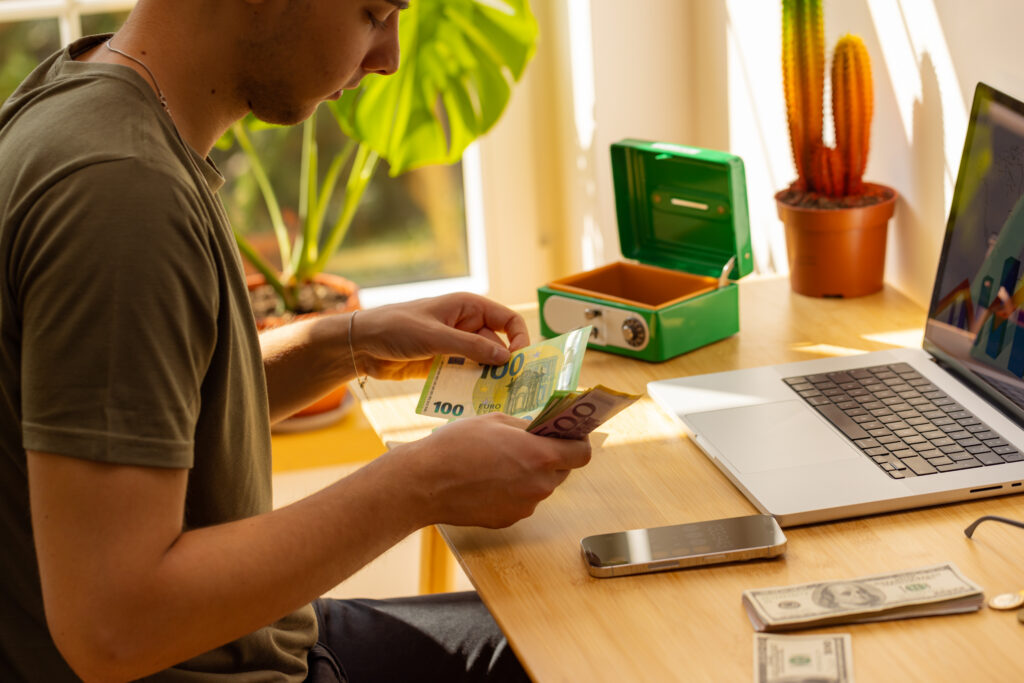
The standard advice is to save 3-6 months of expenses for emergencies. That’s for people with stable paychecks. Freelancers? You need way more than that because your income isn’t guaranteed, clients can disappear overnight, and there’s no unemployment benefits to catch you.
Let’s talk about realistic emergency fund targets for freelancers based on actual income volatility and real-world risks.
Why freelancers need bigger emergency funds
Income variability is the main issue. You might make $8,000 one month and $2,000 the next. You can’t predict which months will be slow. No unemployment insurance exists for freelancers in most states. If you lose all your clients, you’re on your own. Delayed payments are common. Clients pay late, invoices sit unpaid for weeks, and you need to cover expenses while waiting. Healthcare costs are higher without employer coverage. You’re paying full price for insurance and all out-of-pocket costs. Quarterly tax payments create cash flow challenges. You need to save 25-30% of income for taxes, which reduces available cash.
The 6-12 month rule for freelancers
Freelancers should aim for 6-12 months of expenses saved, not 3-6. Six months is the bare minimum for freelancers with relatively stable client bases and multiple income streams. Twelve months is better for new freelancers, those in volatile industries, or single-income households depending entirely on freelance work.
Calculating your target number
Figure out your monthly bare-bones expenses. Include rent/mortgage, utilities, groceries, insurance, debt payments, and minimum healthcare costs. Exclude luxuries and variable spending.
Example: If bare-bones monthly expenses are $3,500, your emergency fund targets are:
- Minimum (6 months): $21,000
- Better (9 months): $31,500
- Ideal (12 months): $42,000
That’s significantly more than the $10,500-21,000 recommended for traditional employees.
Building it when income varies
Set a percentage-based savings goal instead of a fixed dollar amount. Save 20-30% of every payment you receive, regardless of amount. When you have high-income months, aggressively save the surplus. A $10,000 month? Save $5,000-6,000 of it. When you have low-income months, pause emergency fund contributions if necessary to cover current expenses (but only after you’ve already built at least 3 months saved). Automate transfers on days you invoice or receive payments to avoid spending it first.
The income replacement buffer
Beyond covering expenses, freelancers need a buffer for income replacement during slow periods. If you average $5,000/month in income but expenses are $3,500, save enough to cover both the $3,500 expenses AND have working capital to maintain your business during slow months. This might mean your target is 12 months of expenses plus 3-6 months of business operating costs (software, subscriptions, equipment).
Separate emergency fund from business fund
Don’t combine personal emergency savings with business operating capital. Personal emergency fund: Covers living expenses if income stops completely Business operating fund: Covers business expenses during slow periods so you can keep operating while rebuilding client base Both are essential but serve different purposes.
What counts as an emergency for freelancers
Major client loss that cuts income significantly Health issues preventing you from working for extended periods Economic downturn that slows client spending Unexpected business expenses (computer dies, software costs increase) Tax bills higher than expected
Not emergencies: Wanting to take a vacation, buying new equipment that’s not essential, regular business expenses you should budget for
Insurance as part of your safety net
Disability insurance is crucial for freelancers. If you can’t work, your income stops completely. Budget $50-150/month for disability coverage. Health insurance with low deductibles might be worth the higher premiums to reduce emergency fund depletion from medical costs.
When you can relax the target
If you have a working spouse with stable income covering core expenses, you can aim for 3-6 months instead of 6-12. If you have highly stable, long-term contracts that function like regular employment, 6 months might be sufficient. If you have multiple diverse income streams (freelancing plus rental income plus investment income), you might need less.
The bottom line
Freelancers need 6-12 months of expenses saved, significantly more than traditional employees’ 3-6 months. This isn’t pessimism—it’s realistic planning for income volatility, lack of safety nets, and delayed payments. Build it gradually by saving 20-30% of all income, aggressively saving during high-income months, and protecting it for true emergencies only.. Keep it separate from business operating funds and maintain insurance coverage to avoid depleting it for predictable risks.
A large emergency fund isn’t sexy, but it’s what lets freelancers sleep at night and survive slow periods without panic.