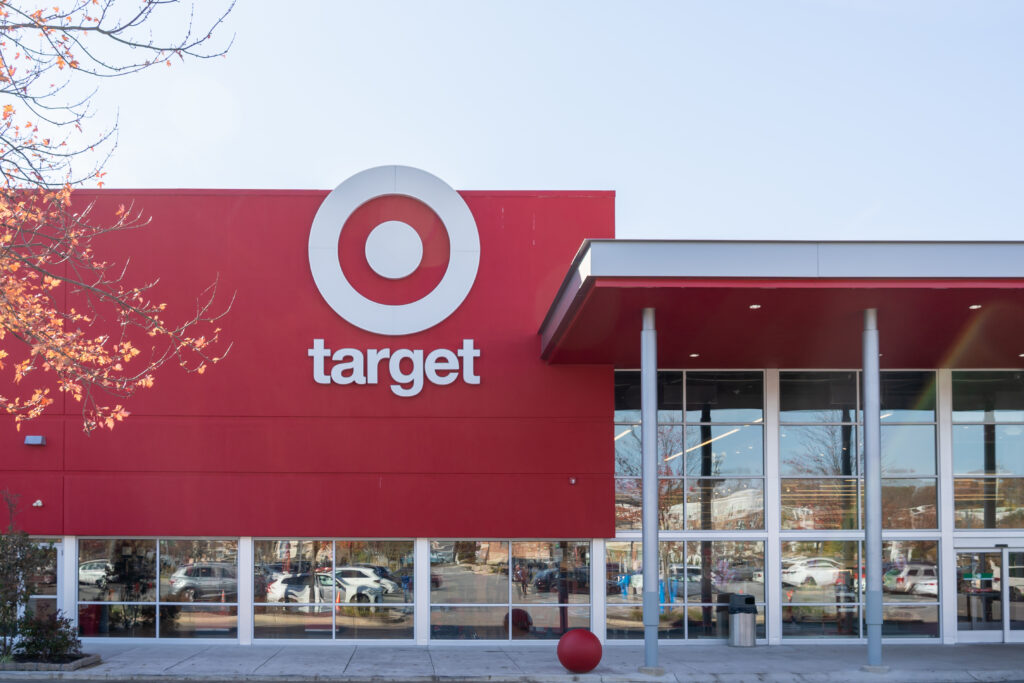
Thrifting used to be the budget option—the place you went when you couldn’t afford regular stores. Now it’s a whole aesthetic—TikTok is obsessed, and suddenly that used sweater at the thrift store costs $35 when a new one at Target is $25.
Welcome to the vintage revival, where thrifting has become so trendy that it’s not even cheap anymore. Let’s talk about when secondhand actually saves you money and when you’re just paying more for the privilege of shopping in a musty warehouse.
The thrift store markup phenomenon
Goodwill and other thrift chains have caught on to the fact that people will pay premium prices for ‘vintage’ and ‘sustainable’ shopping. Prices have increased dramatically in the last 5-10 years.
A used t-shirt that cost $3 in 2015 now costs $8-12 at many thrift stores. Jeans that were $6 are now $15-25. Vintage band tees? $30-50 easily. You can literally buy new clothes cheaper than these secondhand prices.
Curated vintage stores are even worse. They’ve taken the thrift store model and added ‘curation’ (read: higher prices). A vintage Levi’s jacket that might be $20 at Goodwill costs $80-150 at a vintage boutique. You’re paying for someone else to do your thrifting.
Online thrifting platforms like Depop and Poshmark have sellers pricing used items at 60-80% of retail, sometimes more than current retail for ‘vintage’ items. A used Free People dress from 2019 listed for $75 when you can get it new on sale for $60? That’s not a deal.
When thrifting actually saves money
Thrifting can still be budget-friendly if you’re strategic about it.
Smaller, local thrift stores often have better prices than chains. Church thrift stores and small community shops haven’t caught the trendy thrifting wave and still price reasonably.
Estate sales and garage sales remain genuinely cheap. You can find furniture, housewares, and clothes for actual budget prices because people just want to get rid of stuff.
Furniture and home goods are usually still cheaper secondhand. A solid wood dresser for $50 beats a particle board one from IKEA for $150. Kitchen items, books, and décor are often pennies compared to buying new.
Off-season shopping at thrift stores works. Winter coats in July are cheap because nobody’s buying them. Stock up when prices drop.
The time cost of thrifting
Even when thrift stores are cheaper, there’s a hidden cost: your time.
Finding good stuff requires hours of searching through racks of questionable items. You might spend three hours to find one decent shirt. At minimum wage, that’s $45 of your time to save $15 on a shirt. That math doesn’t work.
Thrifting multiple stores to find what you need adds gas money and time. If you’re driving to four thrift stores burning $10 in gas and three hours of your Saturday, you could’ve just bought the item new online.
Alterations add cost. That thrifted dress is $12 but needs $25 in alterations to fit. Now it’s $37 for a used dress when new dresses start at $30.
The ‘sustainable’ upcharge
Brands have realized people will pay more for sustainability. ‘Secondhand’ and ‘vintage’ now command premium pricing because they’re marketed as eco-friendly.
ThredUp and similar online thrift stores charge near-retail prices with the sustainability angle. You’re paying almost full price for used clothes, but it’s marketed as saving the planet so it feels justified.
The reality is that buying new clothes on clearance is often cheaper and still reduces waste (if you’re buying what you’ll actually wear and not just accumulating more stuff).
When new is actually cheaper
Fast fashion brands on clearance beat thrift store prices constantly. H&M, Old Navy, and Target clearance sections offer new clothes for $5-15, often less than thrift store prices.
Outlet malls and discount stores like TJ Maxx offer new, name-brand items for less than ‘curated vintage’ prices.
Sales at regular retailers frequently undercut thrift prices. That $40 sweater at the thrift store? Probably on sale for $25 new at Macy’s right now.
The bottom line
Thrifting can be great for the environment and for finding unique items, but it’s not automatically cheaper anymore. If your goal is saving money, compare thrift prices to retail before assuming secondhand is the budget option. Sometimes it is, often it’s not.Thrift for furniture, housewares, and genuinely unique vintage pieces. Buy new (on sale) for basic clothing, shoes, and anything where hygiene matters. Don’t let the sustainable/vintage aesthetic convince you that overpaying for used items is financially smart. Thrifting is only frugal when it actually costs less.
The vintage revival is fun, but your budget doesn’t care about aesthetics. Pay attention to actual prices, not just the trendy shopping experience.