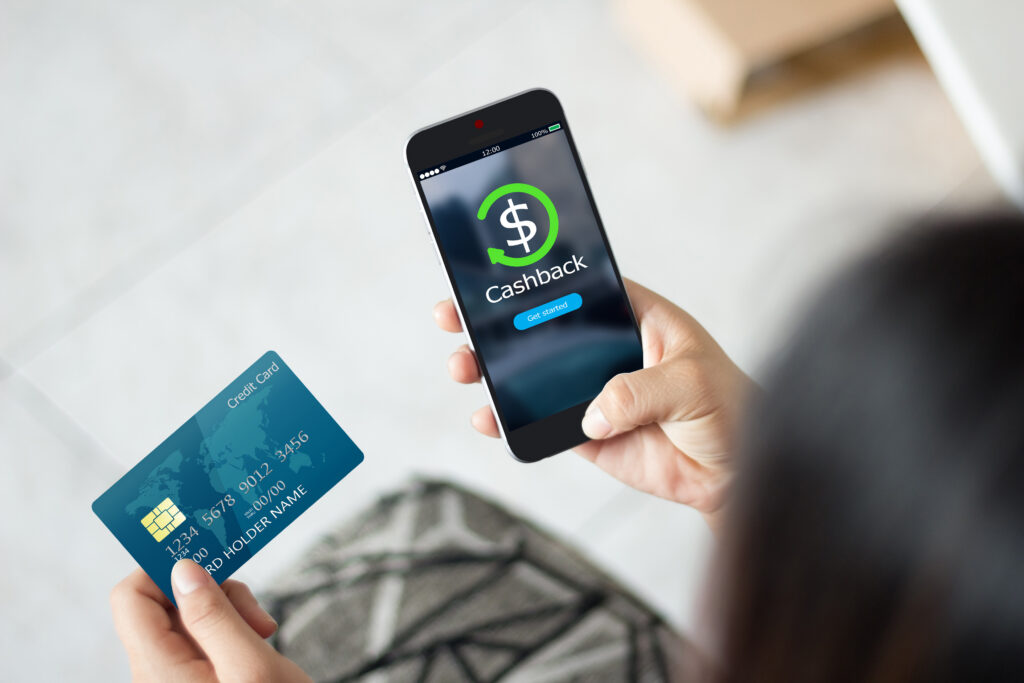
You’re at checkout buying $120 worth of stuff when the cashier asks: ‘Want to save 20% today by opening our store credit card?’ Suddenly your total is $96, and all you have to do is fill out a form.
Sounds like a great deal. Sometimes it is. Usually it’s a trap. Here’s how store credit cards actually work and when they make sense versus when they’ll destroy your credit and budget.
What store cards actually are
Store credit cards are credit cards you can only use at one specific retailer (Target RedCard, Kohl’s Card, etc.) or a family of stores (Gap/Old Navy/Banana Republic all use the same card). They offer discounts, rewards points, or special financing on purchases, but only at that store. Unlike regular credit cards, you can’t use them anywhere else, which limits their usefulness significantly.
The signup discount trap
That 20% off signup bonus sounds amazing, but here’s what they’re not telling you: Opening a new credit card triggers a hard inquiry on your credit report, which temporarily drops your score 5-10 points. If you’re planning to apply for a mortgage, car loan, or apartment in the next 6-12 months, that score drop could cost you more in interest than you saved at checkout. The discount is designed to make you feel like you got a deal while locking you into their ecosystem.
The interest rate nightmare
Store credit cards have notoriously high interest rates—often 25-30%, higher than regular credit cards. If you carry a balance for even two months, the interest charges will wipe out whatever discount you got and then some.
Example: You ‘saved’ $24 with your signup discount but carried a $100 balance for three months at 28% APR. You just paid $21 in interest, nearly canceling out your savings.
When store cards actually make sense
You shop at that store frequently (monthly or more) and will use the ongoing rewards, not just the signup bonus. You will absolutely pay the full balance every month without exception. If there’s any doubt, don’t do it. The card offers perks beyond discounts—early access to sales, free shipping, better return policies—that you’ll actually use. You’re already planning a large purchase and the discount/special financing genuinely saves money you would’ve spent anyway.
The special financing option
Some store cards offer 0% financing for 6-24 months on large purchases. This can be useful for big-ticket items (furniture, appliances) if you’re disciplined about paying it off before the promotional period ends.
The catch: if you don’t pay it off in time, all the deferred interest gets added to your balance retroactively. That $2,000 couch at ‘0% interest’ can suddenly cost $2,500 if you miss the deadline by one month.
The rewards program reality
Store cards often advertise ‘5% back’ or ‘10% rewards’ but the fine print matters. Points often expire if you don’t use them within certain timeframes. Rewards might only be redeemable in specific increments ($10 rewards certificates that expire in 30 days). The ‘value’ is only as good as whether you’d shop there anyway. Getting 5% back at a store you rarely visit isn’t valuable.
The credit utilization problem
Store cards often have low credit limits ($300-$800), which makes it easy to hit high utilization rates. If you charge $250 to a card with a $500 limit, that’s 50% utilization, which hurts your credit score. Regular credit cards usually have higher limits, making it easier to keep utilization low.
Signs you should absolutely avoid store cards
You’re applying just for the one-time discount and won’t shop there regularly. You’re already carrying credit card debt—adding another card won’t help. You’re trying to build credit and would be better served by a regular rewards card usable everywhere. The interest rate is above 25% and you’re not confident you’ll pay in full every month. You’re applying for multiple store cards at different retailers—each application hits your credit score.
The alternative strategy
Instead of opening a store card for 20% off, look for coupon codes or wait for sales. Most stores offer 20-30% off sales multiple times per year without requiring new credit accounts. Use a regular cash-back credit card everywhere and earn 2% back on all purchases instead of 5% back at one store only.
When to close a store card
If you’re not using it and it has an annual fee, close it. If you opened it for a one-time discount and haven’t used it in a year, closing it is fine (though it may slightly impact your credit score by reducing available credit). If it’s your oldest credit account, consider keeping it open with a small purchase every 6 months to maintain your credit history length.
The bottom line
Store credit cards are profitable for retailers, which is why they push them so aggressively. They’re rarely the best financial decision for shoppers. The signup discount is tempting, but it usually costs more than it saves once you factor in credit score impacts, high interest rates, and the tendency to spend more because you have the card.
Only open a store card if you shop there frequently, will pay in full every month, and will use the ongoing benefits beyond the signup bonus. For everyone else, a regular cash-back credit card used responsibly will serve you better than a drawer full of store cards you don’t use.