The problem with most budgets is they’re designed by people who think ‘fun’ means a sensible movie night once a month. But here you are trying to live an actual life—concerts, brunches, random Target finds, spontaneous plans with friends. No wonder traditional budgets fail.
Here’s how to create a fun money budget that doesn’t make you feel like you’re punishing yourself for existing.
What counts as fun money?
Fun money is guilt-free spending on things that aren’t necessities but make life worth living. This includes dining out, entertainment, hobbies, shopping for non-essentials, concerts, experiences, and basically anything that would make a financial advisor wince slightly.
It’s not groceries, rent, or debt payments. It’s the stuff you’d cut first if money got tight—but also the stuff that keeps you from feeling like a joyless robot just working to pay bills.
The magic number: 5-10% of income
Start with 5-10% of your take-home pay dedicated to fun money. If you make $3,500/month after taxes, that’s $175-$350/month for pure enjoyment.
This might sound low if you’re currently spending $800/month on fun stuff. But that’s why you’re reading this article—the unstructured spending isn’t working.
The separate account method
Open a separate checking account just for fun money. Every payday, transfer your budgeted amount into this account. When it’s gone, it’s gone until next payday.
This works because it’s visual and final. You can see exactly how much fun money you have left. No mental math, no guessing, no ‘borrowing’ from grocery money and convincing yourself it’s fine.
Use a debit card or cash from this account only. When the balance hits zero, you’re done having paid fun until it refills.
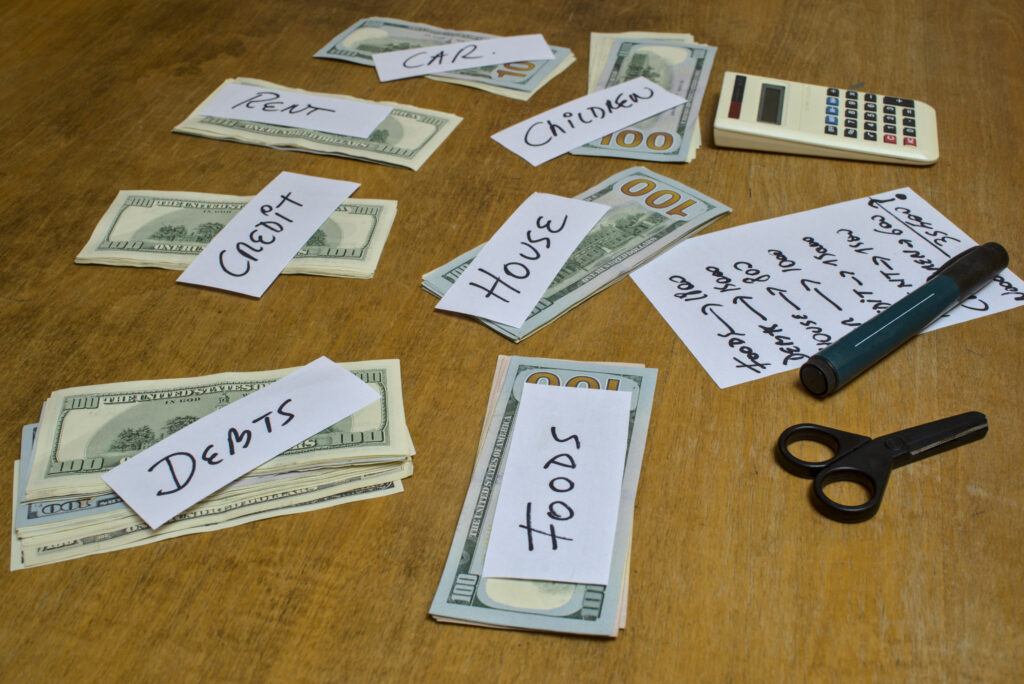
The envelope method, digital edition
If opening another bank account feels like too much, use apps like Qapital or YNAB to create virtual envelopes for fun spending categories.
Allocate your fun money across categories: $100 for dining out, $75 for shopping, $50 for entertainment, $75 for miscellaneous fun. Track spending in each category.
This gives you more control than one giant ‘fun money’ pile while keeping it organized.
Front-load or back-load, whichever fits your personality
Front-loaders spend most of their fun money early in the month, then coast on free activities the last week or two. If you know something fun is happening at the start of the month (concert, trip, event), this works.
Back-loaders spread spending evenly or save it for end-of-month plans. If you’re someone who gets anxious spending too much too fast, this prevents mid-month panic.
Know yourself and plan accordingly. There’s no right way—only what actually works for your brain.
The rollover rule
If you don’t spend all your fun money this month, it rolls over to next month. Suddenly you’ve got $450 instead of $300, and that concert ticket or weekend trip feels doable.
This prevents the ‘use it or lose it’ mentality that makes people waste money just because it’s budgeted.
What to do when fun costs more than budgeted
Some months have expensive fun—festival season, holidays, weddings. You can’t fit everything into your standard fun budget.
Option 1: Save up over multiple months. If a concert is $200 and your fun budget is $300/month, skip other fun that month and save the $100 difference from previous months.
Option 2: Adjust other variable categories temporarily. Cut back on groceries or gas slightly to fund the bigger fun expense. Not ideal, but better than going into debt.
Option 3: Use ‘found money’ for extras. Tax refunds, birthday money, side hustle income—direct this toward big fun expenses instead of incorporating into regular budget.
The non-negotiable rule
Fun money is only for fun after you’ve covered essentials and minimum financial responsibilities. Rent, bills, minimum debt payments, and at least some savings come first.
If you can’t cover basics, you don’t have fun money—you have a budget crisis that needs addressing before worrying about entertainment spending.
Why this works when other budgets don’t
Traditional budgets tell you to cut fun entirely or make it so restrictive you rebel. This method acknowledges that fun is necessary, gives it a defined space, and lets you enjoy guilt-free within that boundary.
You’re not being ‘bad’ for spending your fun money—you’re using it exactly as intended. The guilt evaporates because it’s planned and contained.
The bottom line
Fun money isn’t frivolous—it’s what makes a budget sustainable long-term. Allocate 5%-10% of income to guilt-free spending, keep it in a separate account or envelope, and adjust based on your spending personality.
The goal isn’t to never have fun. It’s to have fun you can actually afford without sabotaging your financial future.
Budget for joy. Spend it intentionally. Refill next month. Repeat forever.