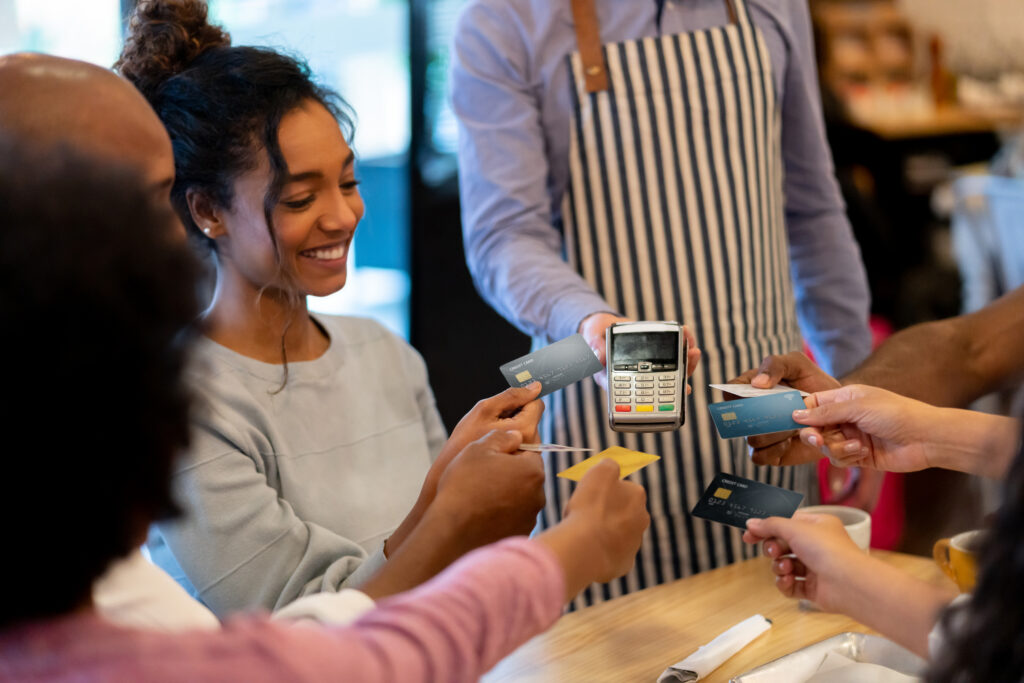
You’re out to dinner with three friends. The bill comes. Someone suggests splitting it evenly. You ordered a $14 salad and water. Your friend ordered $35 worth of steak and cocktails. Now you’re expected to pay $28 for your share of the ‘split’ bill. Awkward, right?
This scenario has ruined more friendships than borrowing money ever has. Let’s talk about how to split expenses fairly without becoming the group’s designated cheapskate or secretly resenting everyone.
Why even splits don’t work
‘Let’s just split it evenly’ sounds fair until you realize someone always gets screwed. The person who ordered water while everyone else had three cocktails shouldn’t subsidize the group’s bar tab. The friend who got an appetizer and entrée shouldn’t pay the same as someone who only got a side salad.
Even splits penalize responsible spenders and reward overconsumption. It creates an incentive to order more since you’re splitting anyway, which drives the bill higher for everyone.
The resentment builds silently. You don’t want to be ‘that person’ who protests splitting evenly, so you eat the extra cost. But internally, you’re annoyed. Do this enough times and friendships get weird.
Better splitting methods
Pay for what you ordered. Apps like Venmo, Splitwise, and even modern restaurant payment systems allow individual payment. Everyone pays for their own meal plus their share of tax and tip. It’s fair, it’s transparent, nobody gets screwed.
If you must split, create categories. Split appetizers and shared items evenly, but everyone pays for their own entrées and drinks. This balances fairness with simplicity.
For group trips or shared housing, use Splitwise. It tracks who paid for what and settles up at the end. No mental math, no awkward conversations, just clear accounting.
The conversation nobody wants to have
If your friend group always does unfair splits and you’re tired of overpaying, you need to speak up. It’s uncomfortable, but it’s better than silent resentment.
The script: ‘Hey, I’d prefer if we pay separately for our meals since what we order tends to vary. It’s easier for my budget to just pay for what I got.’
Most reasonable people will understand. If they push back or make you feel cheap, that’s useful information about whether this friendship is actually equitable.
The one-person-pays problem
One person puts the whole bill on their card and everyone Venmos their share. This works if people actually Venmo immediately. It doesn’t work when people ‘forget’ and you’re out $200 for two weeks chasing people down.
The solution: If you’re the person paying, don’t leave the restaurant until everyone has Venmo’d their share. Make it a group activity. ‘Okay, who’s got their phone out? Everyone send your portion now while we’re thinking about it.’
For larger group expenses (renting a house, buying groceries for a trip), collect money upfront. Never float hundreds of dollars hoping people will pay you back eventually. They won’t, or they’ll be slow about it, and you’ll be annoyed.
When to just cover it
Sometimes the friendship is worth more than $5. If it’s a minor difference and someone’s going through a tough time financially, just let it go. Pay the extra $8 without making it a thing.
But ‘sometimes’ shouldn’t become ‘always.’ If you’re consistently covering for a friend who never reciprocates, that’s a pattern worth addressing.
The budget difference conversation
If your friends make significantly more money than you and want to do expensive things, you have to be honest about your budget.
The script: ‘I’d love to hang out, but that restaurant/trip/activity is outside my budget right now. Could we do [cheaper alternative] instead?’
Real friends will understand and adjust. If they don’t, you’re learning something important about the friendship.
Group trips are the ultimate test
Vacations with friends expose every financial incompatibility. Someone wants the expensive hotel, someone wants to Airbnb. Someone wants fancy dinners every night, someone wants to cook.
The solution is detailed planning upfront. Before booking anything, have an honest conversation about budgets. Decide on accommodation budget, food budget, and activity budget. Get everyone’s input and find the middle ground before anyone’s money is on the line.
Use Splitwise for the entire trip. Track every shared expense in real time. Settle up at the end of the trip before anyone goes home.
The bottom line
Fair doesn’t mean equal. Fair means everyone pays proportionally for what they consumed or benefited from.
Speak up about uneven splits before resentment builds. Use apps to track expenses transparently. Have the budget conversation early and honestly. Don’t float large amounts hoping people will pay you back.
Friendships that can’t survive fair expense splitting probably have bigger problems. Money reveals character—if someone consistently takes advantage of group bills or ‘forgets’ to pay you back, that’s information about who they are.
Good friends want fairness, not free rides. Anyone who makes you feel bad for wanting to pay only your fair share isn’t worth keeping around.
Split expenses clearly, pay what you owe promptly, and keep friendships separate from financial resentment. It’s possible to do all three—you just have to be willing to have the uncomfortable conversations early.