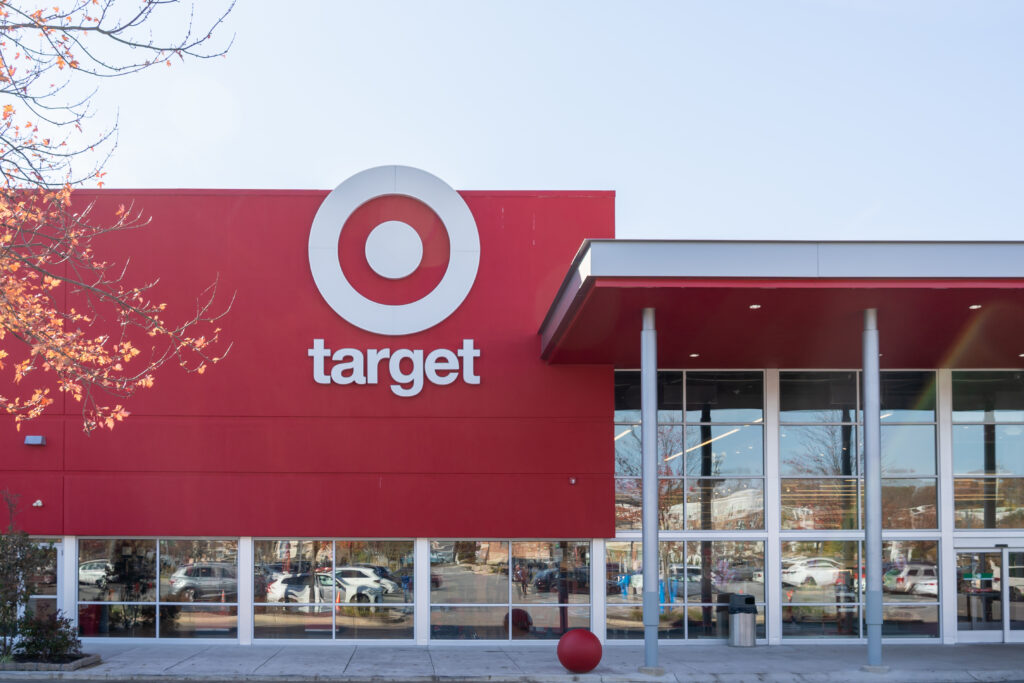
You went to Target for paper towels. You left with paper towels, a throw pillow, three candles, a new spatula, and a cute little basket you don’t need but might use someday. How does this keep happening?
Welcome to the impulse buying club, population: basically everyone with a pulse and a debit card. But here’s the good news: you can break the cycle. It just takes some awareness, a few strategic tricks, and the willingness to admit that Target is specifically designed to empty your wallet (they’re really, really good at it).
Why do we impulse buy?
Understanding the urge is half the battle.
The psychology behind it:
- Dopamine hits: Buying things gives your brain a little reward rush
- FOMO: ‘What if I need this later and it’s not on sale anymore?’
- Retail therapy: Had a bad day? Shopping makes you feel better (temporarily)
- Strategic store design: Retailers literally engineer stores to maximize impulse purchases
You’re not weak—you’re human. Stores and online retailers have whole teams of behavioral experts figuring out how to make you spend money. You hardly have a chance.
The 24-hour rule
This is the most powerful anti-impulse weapon you’ve got.
How it works: Before buying anything non-essential, wait 24 hours. If you still want it tomorrow, maybe it’s worth buying.
Why it works: That ‘must have it NOW’ feeling fades fast. Give it a day, and you’ll often realize you don’t actually want or need it, or you want something else more.
Pro version: For bigger purchases ($100+), use the 30-day rule. If you still want it after a month, it’s probably a legitimate purchase.
The shopping list law: if it’s not on the list, it doesn’t go in the cart
This sounds simple (because it is), but it’s shockingly effective.
The system:
- Before shopping, make a list
- Only buy what’s on the list
- Everything else stays on the shelf (no matter how cute or tempting)
Why it works: It removes the decision-making process. You’re not debating whether you need that thing—it’s not on the list, so the answer is automatically no.
Unsubscribe from temptation
Your inbox is probably full of retailers begging you to spend money.
What to do:
- Unsubscribe from marketing emails
- Turn off push notifications from shopping apps
- Unfollow brands on social media
Reality check: You can’t impulse buy what you don’t know is on sale. Out of sight, out of mind actually works here.
Delete saved payment info (seriously, do it)
One-click buying makes it way too easy to be thoughtful about spending.
Remove stored payment info from:
- Amazon
- Every other shopping site
- Your phone’s autofill
- Your browser’s autofill
Why it works: Adding friction to the buying process gives your brain time to reconsider. Having to dig out your wallet and type in card numbers manually creates just enough inconvenience to make you think twice.
The cash diet (old school but effective)
Leave your cards at home and only bring the cash you’ve budgeted for shopping.
Why it works: When cash is gone, you’re done shopping. There’s no ‘just put it on the card’ option.
Digital version: Use apps like Brigit to help you stick to spending limits and avoid overdrafts from impulse purchases.
Shop alone (friends can be an expensive influence)
Shopping with friends is fun—but it’s also a spending trap.
The problem:
- You influence each other to buy things
- ‘You should totally get that’ enables bad decisions
- Shopping becomes entertainment instead of a task
The solution: Solo shopping missions keep you focused. Get in, get what you need, get out.
Avoid shopping when you’re emotional
Sad, stressed, bored, celebrating—all of these emotions make you more likely to impulse buy. (Weird, right?)
Bad times to shop:
- After a fight with your partner
- When you’re anxious about work
- When you’re bored and scrolling online
- Right after getting paid (when you feel rich)
Better alternatives:
- Go for a walk
- Call a friend
- Watch a show
- Literally anything that doesn’t involve spending money
The ‘cost per use’ calculation
Before buying something, calculate how much it’ll cost per use.
Example: That $60 shirt might seem expensive, but if you wear it 30 times, it’s $2 per wear. That $20 impulse gadget you’ll use once? It’s $20 per use.
The question: ‘Will I use this enough to justify the cost?’ Usually, the answer is no.
Use the ‘one in, one out’ rule
For every new item you bring home, something else has to leave.
Why it works: It forces you to consider if you actually have room (physically and financially) for new stuff. Plus, it keeps clutter under control. Bonus points if you can sell it and recoup some money to cover the new purchase.
Take a photo instead of buying
See something cute in a store? Take a picture of it.
What happens:
- You scratch the ‘ooh, that’s cool’ itch without spending money
- Later, looking at the photo, you’ll realize you don’t actually want it
- If you still want it after a few days, maybe it’s worth going back for
Track your impulse spending for one month
For 30 days, write down every impulse purchase and what you spent.
What you’ll discover: Those ‘small’ purchases add up to hundreds of dollars. Seeing the total is usually shocking enough to change behavior.
The alternative strategy: Scheduled ‘fun money’
Instead of fighting impulses 24/7, give yourself permission to spend guilt-free.
How it works: Budget $50-100 per month for whatever you want, no questions asked. When it’s gone, it’s gone until next month.
Why it works: You’re not depriving yourself completely (which leads to binge spending), but you’re also setting limits.
The bottom line
Impulse buying isn’t a character flaw—it’s a habit. And habits can be broken with the right changes.
The key moves:
- Wait 24 hours before buying anything non-essential
- Shop with lists and stick to them
- Remove temptation from your inbox and phone
- Add friction to the buying process
- Track your spending so you can see the damage
You don’t need to become a monk who never buys anything fun. You just need to be more intentional about what you buy and when. Because the difference between ‘I bought this on purpose’ and ‘it just ended up in my cart’ is hundreds of dollars a month.
Your bank account (and future self) will thank you for taking control. And that dopamine hit you get from buying stuff? You’ll get the same rush from watching your savings account grow instead.